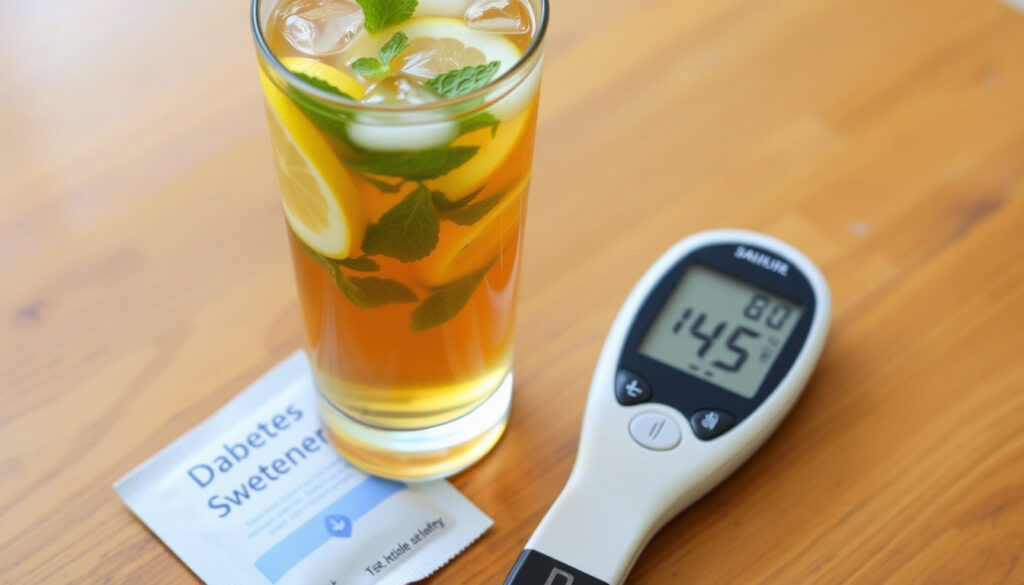
Is Ice Tea Good for You? Health Guide for Diabetes & Daily Use
Maybe you grabbed a tall glass of iced tea on a hot afternoon and wondered: Is this actually good for me? Or worse, you’re scanning the label on a bottled iced tea and the sugar grams make you wince. That split between a crisp, refreshing drink and a hidden sugar bomb is exactly where this guide lands. We’ll walk through what unsweetened iced tea does for your body, why sweetened versions are a different story, and how to choose the right one if you’re managing diabetes or just watching your blood sugar.
Iced tea consumption globally (cups per year): Over 80 billion cups of tea annually, a significant portion iced ·
Unsweetened iced tea calories per 8 oz: 2–5 calories ·
Added sugar in commercial sweetened iced tea (per 12 oz can): 21–33 grams (5–8 teaspoons) ·
US iced tea market size (2023): $6.6 billion (Statista) ·
Type 2 diabetes prevalence (global, 2021): 1 in 10 adults (537 million)
Quick snapshot
- Unsweetened iced tea contains negligible calories and sugar (Diabetes Care Community)
- Sweetened iced tea adds 21–33 g sugar per 12 oz can (Healthline)
- What types of tea may benefit people with diabetes requires more research (Nourish)
- US iced tea market hit $6.6 billion in 2023, reflecting surging consumer interest (Statista)
- 2009 meta-analysis of 9 cohort studies found 4+ cups of tea daily may lower type 2 diabetes risk (PLOS ONE / PubMed Central)
- More research needed to determine which tea types benefit people with diabetes (Nourish)
- Homemade unsweetened iced tea remains the safest, most controllable choice (Diabetes Care Community)
Nutrition and Ingredient Profile
Here is a quick reference for the nutritional profile of iced tea.
| Attribute | Details |
|---|---|
| Base ingredient | Tea leaves (Camellia sinensis) or herbal infusions |
| Typical caffeine per 8 oz cup | 25–50 mg (varies by tea type and brew strength) |
| Calories (unsweetened) | 2–5 per 8 oz |
| Calories (sweetened, commercial) | 100–150 per 12 oz can |
| Sugar in typical bottled sweetened iced tea | 21–33 g per 12 oz |
| Antioxidant content | Similar to hot-brewed tea; cold brewing may extract catechins differently |
What exactly is ice tea made of?
Basic ingredients of classic iced tea
- Iced tea is cold-brewed or hot-brewed tea served over ice. The base is usually black, green, or herbal tea leaves steeped in water.
- Unsweetened versions contain only tea and water — no sugar, no calories (Diabetes Care Community).
Common additives: sugar, lemon, mint, syrups
- Sweetened iced tea adds sugar, honey, or artificial sweeteners. A single 12 oz can of commercial iced tea can contain 21–33 grams of sugar (Healthline).
- Lemon, mint, and herbs add flavor without sugar; syrups and creamers turn iced tea into a high-calorie drink.
A sweetened iced tea can pack as many grams of sugar as a soda. For someone managing diabetes, the choice between unsweetened and sweetened isn’t minor — it can mean the difference between stable glucose and a spike.
The implication: choosing unsweetened iced tea keeps your drink free of hidden sugars.
Is ice tea good for you?
Health benefits of unsweetened iced tea
- Unsweetened iced tea provides antioxidants (flavonoids) linked to reduced heart disease risk (PLOS ONE / PubMed Central).
- Green tea compounds like EGCG may stimulate glucose uptake into skeletal muscle cells.
- Hydration benefits are similar to water when unsweetened.
Risks of sweetened and commercially bottled iced tea
- Excess sugar in sweetened iced tea is linked to weight gain and metabolic issues (Nourish).
- Commercial brands often add high-fructose corn syrup and preservatives. The 2009 meta-analysis found that four or more cups of tea per day lowered relative risk of type 2 diabetes to 0.8 (95% CI 0.70–0.93) — but only for unsweetened tea.
Unsweetened tea is generally the preferred choice for people with diabetes because added sugar in sweetened beverages raises blood glucose.
Healthline
The implication: unsweetened iced tea leans clearly into the “good for you” column, while sweetened versions drift toward the “treat occasionally” category.
Can I drink ice tea daily?
Daily consumption guidelines for unsweetened vs. sweetened iced tea
- Moderate daily consumption (3–4 cups) of unsweetened iced tea is generally safe for most people.
- Sweetened versions should be limited due to sugar content — the American Diabetes Association (ADA) recommends avoiding sugary drinks (American Diabetes Association).
Caffeine considerations (if using black or green tea)
- Excessive caffeine (above 400 mg/day) may cause anxiety, insomnia, or rapid heart rate (Mayo Clinic).
- An 8 oz cup of black iced tea contains roughly 25–50 mg caffeine, so 4 cups stay well within the safe zone.
- Dental erosion risk from acidic tea is low with plain water rinsing afterward.
What this means: For most adults, daily unsweetened iced tea is fine — but watch the caffeine total if you also drink coffee or energy drinks.
What is the healthiest ice tea to drink?
Unsweetened green or herbal iced tea as top choices
- Healthiest options are unsweetened, with no added sugar or artificial sweeteners (Diabetes Care Community).
- Green, oolong, white, and hibiscus teas offer the highest antioxidant profiles.
How to read labels: sugar content, calorie counts, additives
- Look for “unsweetened” on the label. Check total sugars (aim for 0 g). Avoid “evaporated cane juice” and “fruit concentrate” — they’re sugar by other names.
- DIY brewing allows full control: cold-brew tea bags in water overnight, add lemon or mint, skip the sweetener.
Tea is a good source of antioxidants (flavonoids) linked to reduced heart disease risk.
Harvard T.H. Chan School of Public Health
The pattern: the healthiest iced tea is the one you brew yourself — zero mystery ingredients, full control over what goes in.
What is a good iced tea for diabetics?
Unsweetened iced tea and blood sugar impact
- Unsweetened iced tea has no sugar and does not raise blood glucose (Diabetes Care Community).
- Diabetics should avoid sweetened, bottled, and powdered mixes — all of which add fast-digesting carbs.
- Herbal iced teas like chamomile, peppermint, rooibos are also safe and naturally caffeine-free.
Practical tips for diabetics choosing iced tea
- Stick with unsweetened black, green, or herbal iced tea. If you want flavor, add a squeeze of lemon or a few mint leaves.
- Test your blood glucose after trying a new herbal blend — individual responses can vary.
Unsweetened iced tea is the best choice for blood sugar control among teas.
Diabetes Care Community
Why this matters: for the roughly 537 million adults with type 2 diabetes globally, swapping one sweetened drink for unsweetened iced tea can cut daily sugar intake by 20–30 grams without sacrificing refreshment.
What is the 3-hour rule for diabetics?
Origin and explanation of the 3-hour rule
- The 3-hour rule advises diabetics to avoid eating within 3 hours of bedtime to stabilize overnight blood sugar (Healthline).
- This helps prevent morning hyperglycemia by limiting late-night glucose intake.
How iced tea fits into this pattern
- Iced tea (unsweetened) is acceptable during the 3-hour window because it contains no carbs or sugar.
- Always consult a doctor for individual dietary plans.
The catch: unsweetened iced tea won’t break the rule, but adding sugar or honey would. Keep it plain, and you stay in the safe zone.
What is the unhealthiest tea to drink?
Sweetened and bubble tea as primary unhealthy choices
- Bubble (boba) tea can contain up to 50 g sugar per serving — often from syrups, condensed milk, and tapioca pearls (Healthline).
- Sweetened powdered iced tea mixes are high in sugar and artificial additives.
- Highly sweetened commercial iced tea brands like Arizona (with up to 33 g sugar per 12 oz) are among the unhealthiest options.
Hidden ingredients: cream, sugar syrups, tapioca pearls
- Creamers turn iced tea into a high-fat, high-sugar dessert. Tapioca pearls in boba add pure starch calories.
- For anyone with diabetes, these drinks are effectively desserts — not beverages.
A single boba tea can exceed the American Heart Association’s daily added sugar limit (25 g for women, 36 g for men). Diabetics who order a “tea” expecting a healthy choice may accidentally consume a full meal’s worth of sugar.
Upsides and downsides of iced tea
Upsides
- Unsweetened iced tea provides hydration and antioxidants without calories (PLOS ONE / PubMed Central).
- It may support cardiovascular health through flavonoids (Harvard T.H. Chan School of Public Health).
- Green and black tea compounds can aid glucose metabolism.
Downsides
- Sweetened versions add significant sugar and calories — a risk for weight gain and metabolic dysfunction.
- Excess caffeine (over 400 mg/day) can cause jitteriness and sleep disruption (Mayo Clinic).
- Commercial bottled teas often contain preservatives and high-fructose corn syrup.
- Dental enamel erosion is possible with frequent acidic tea consumption if not rinsed.
What we know and what remains unclear
Confirmed facts
- Unsweetened iced tea contains negligible calories and sugar (Diabetes Care Community).
- Sweetened iced tea adds significant sugar and calories (Healthline).
- Iced tea (unsweetened) is safe for diabetics in moderation (Diabetes Care Community).
- Bubble tea often contains high sugar and calories (Healthline).
What’s unclear
- Long-term effects of daily iced tea consumption beyond moderate caffeine and hydration are not fully studied.
- Optimal brewing method for maximizing antioxidant retention is not definitively established.
- The exact mechanism by which tea compounds affect blood sugar is not fully understood.
- Whether herbal iced teas offer the same metabolic benefits as green or black tea requires more research (Nourish).
Green tea may help reduce cellular damage, decrease inflammation, and optimize blood sugar control.
Healthline
Compounds in green tea, including epigallocatechin gallate (EGCG), have been shown to stimulate glucose uptake into skeletal muscle cells.
Healthline
Summary: what this means for you
Unsweetened iced tea is one of the few beverages that delivers hydration, antioxidants, and zero sugar — a rare combination in a world of soda and juice. For the person managing type 2 diabetes, the choice is clear: skip the sweetened brands, brew your own, and enjoy a drink that supports stable blood sugar. The rest is just garnish.
bolay.com, bluecircle.foundation, southernbreezesweettea.com, my.vanderbilthealth.com
Frequently Asked Questions
Does iced tea have more caffeine than hot tea?
No — caffeine content depends on the tea type and brew strength, not temperature. A typical 8 oz cup of black iced tea contains 25–50 mg of caffeine, similar to hot tea of the same leaves (Mayo Clinic).
Can I drink iced tea while fasting?
Yes — unsweetened iced tea contains no calories and won’t break a fast. Black coffee and plain tea are generally considered acceptable during intermittent fasting (Healthline).
Is homemade iced tea cheaper than bottled?
Yes. A single tea bag costs pennies and yields multiple servings, while bottled iced tea can cost $1–3 per serving. Brewing at home also eliminates added sugars and preservatives.
Does iced tea dehydrate you?
No — the water content in unsweetened iced tea is hydrating. The caffeine has a mild diuretic effect, but not enough to cause net fluid loss (Mayo Clinic).
What is the difference between iced tea and cold brew tea?
Iced tea is typically hot-brewed then chilled, while cold brew tea steeps in cold water for 8–12 hours. Cold brew often yields a smoother, less bitter flavor and may extract different antioxidants (PLOS ONE / PubMed Central).
Are herbal iced teas as healthy as green iced tea?
Herbal iced teas offer their own benefits — hibiscus for blood pressure, chamomile for relaxation — but lack the specific catechins and theaflavins found in green and black tea. Both are excellent unsweetened choices.
Related reading
More related posts
 65 Inches in Feet: Exact Conversion & Height Confusion Clarified
 Soft Summer Color Palette: Colors, Jewelry & Style Tips
 Kelly Clarkson Weight Loss: How She Lost 60 Lbs Fast
 Grand Park Royal Cozumel: All-Inclusive Resort Review
 перевод с английского на русский: Best Free Translators Compared
 Emmylou Harris in 2025: Health, Hits & Personal Life
 Austin Butler Movies and TV Shows: Full Filmography
 Monster: The Ed Gein Story – Fact vs Fiction & Cast
