25 Lbs to Kg – Exact 11.34 kg Conversion Guide
Converting 25 pounds to kilograms involves a precise mathematical relationship that has been standardized internationally. Whether you are calculating dumbbell weights at the gym, estimating luggage limits for air travel, or working with recipes that use imperial measurements, understanding this conversion provides clarity and prevents miscalculations. The exact figure, derived from official international standards, ensures consistency across scientific, commercial, and everyday applications.
The conversion factor of 0.45359237 kilograms per pound has been in use since 1959, when the United States aligned its definition of the pound with international prototype standards maintained by the National Institute of Standards and Technology. This precise relationship means that 25 pounds translates to 11.33980925 kilograms, which rounds to 11.34 kilograms for most practical purposes.
25 lbs to kg
When converting 25 pounds to kilograms, the calculation follows a straightforward multiplication using the exact conversion factor established by international agreement. Multiplying 25 by 0.45359237 yields 11.33980925 kilograms. This result reflects the standardized relationship between the avoirdupois pound and the metric kilogram, ensuring accuracy across all contexts where weight measurements are required.
The value 0.45359237 kg per pound is the official conversion factor maintained by NIST since 1959. This exact ratio applies to all avoirdupois weight measurements in the United States and other nations using the imperial system.
Quick Reference Overview
| Pounds (lb) | Kilograms (kg) | Rounded Value | Practical Context |
|---|---|---|---|
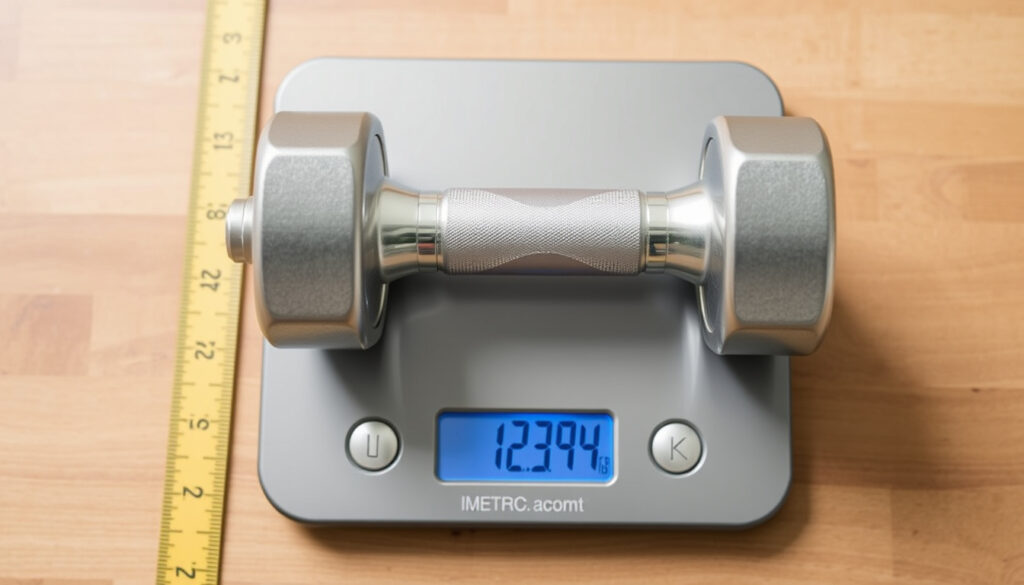
| 25 | 11.34 | 11.34 kg | Standard dumbbell |
| 15 | 6.80 | 6.80 kg | Light weights |
| 20 | 9.07 | 9.07 kg | Beginner weights |
| 30 | 13.61 | 13.61 kg | Intermediate weights |
Key Conversion Insights
- The exact conversion factor is 0.45359237 kilograms per pound, defined by international standards
- 25 pounds equals 11.33980925 kilograms before rounding
- Rounding to two decimal places gives 11.34 kilograms for practical use
- In grams, 25 pounds converts to 11,339.80925 grams
- One kilogram equals 2.20462262185 pounds, enabling reverse calculations
- The stone measurement shows 25 pounds as 1.7857 stones (1 stone = 14 pounds)
- Fitness equipment often uses approximate rounding, listing 25 lb dumbbells as approximately 11.4 kg
Conversion Formula and Verification
The conversion formula follows a simple mathematical relationship: kilograms equal pounds multiplied by 0.45359237. For 25 pounds, this calculation produces 11.33980925 kg. Multiple independent conversion tools and calculators confirm this result, including platforms such as Symbolab, Inch Calculator, and lbs-to-kg.appspot.com, which all apply the same standardized factor.
When precision matters for scientific or commercial applications, using the full conversion factor ensures accuracy. Minor approximations like 0.454 kg/lb can introduce small discrepancies in extended calculations, making the official factor preferable for situations requiring exact measurements.
Related Weight Conversions
Understanding how 25 pounds converts becomes clearer when placed alongside nearby weight conversions commonly encountered in daily life. These related conversions help contextualize the value and provide useful references for various applications.
Conversions Near 25 Pounds
| Pounds (lb) | Kilograms (kg) | Exact Calculation |
|---|---|---|
| 15 | 6.80 | 15 × 0.45359237 = 6.80388555 kg |
| 20 | 9.07 | 20 × 0.45359237 = 9.0718474 kg |
| 25 | 11.34 | 25 × 0.45359237 = 11.33980925 kg |
| 30 | 13.61 | 30 × 0.45359237 = 13.60771005 kg |
| 35 | 15.88 | 35 × 0.45359237 = 15.8755927 kg |
| 45 | 20.41 | 45 × 0.45359237 = 20.41165765 kg |
These values demonstrate how incremental changes in pounds produce proportional shifts in kilogram measurements. The linear relationship between the two units means each additional pound adds exactly 0.45359237 kilograms, a consistency that applies regardless of the starting weight.
For quick mental estimates, remembering that 1 pound approximates 0.45 kilograms provides a useful shortcut. Multiplying pounds by 0.5 and subtracting roughly 10% yields results close to the exact conversion without requiring a calculator.
Higher Weight Conversions (90-165 lbs to kg)
Beyond the immediate range around 25 pounds, larger weight conversions follow the same standardized formula. These higher weight ranges frequently appear in contexts such as body weight measurements, heavier fitness equipment, shipping documentation, and industrial applications where precise metric equivalents are required.
| Pounds (lb) | Kilograms (kg) | Rounded Value |
|---|---|---|
| 90 | 40.82 | 40.82 kg |
| 120 | 54.43 | 54.43 kg |
| 130 | 58.97 | 58.97 kg |
| 135 | 61.23 | 61.23 kg |
| 150 | 68.04 | 68.04 kg |
| 165 | 74.84 | 74.84 kg |
The same multiplication formula applies to these higher values, demonstrating the scalable nature of the conversion relationship. A person weighing 150 pounds, for example, weighs approximately 68 kilograms when converted using the official factor.
Common Extended Conversions
| Pounds (lb) | Kilograms (kg) | Breakdown |
|---|---|---|
| 50 | 22.68 | 22 kg 680 g |
| 100 | 45.36 | 45 kg 359 g |
| 300 | 136.08 | 136 kg 80 g |
| 400 | 181.44 | 181 kg 440 g |
Understanding the Units: Historical Context
The pound traces its origins to the Roman libra, which is why the abbreviation “lb” appears in weight measurements. The modern avoirdupois pound, weighing 16 ounces, was standardized in 1959 when international agreement established its precise relationship to the metric kilogram. This harmonization facilitated international trade, scientific collaboration, and accurate communication of weight measurements across borders.
The kilogram, defined since 2019 by fixing Planck’s constant at exactly 6.62607015 × 10⁻³⁴ J·s, serves as the base unit of mass in the International System of Units. The original prototype kilogram, crafted from platinum in 1795 and later platinum-iridium alloys, has been replaced by a fundamental physical constant definition, ensuring unprecedented stability and reproducibility for scientific measurements worldwide.
Conversion Certainty: What Is Established vs. Uncertain
| Established Information | Uncertain or Variable Information |
|---|---|
| 1 lb = 0.45359237 kg (exact, standardized) | Some fitness charts round to 0.454 kg/lb, introducing minor variations |
| 25 lb = 11.33980925 kg (exact calculation) | Context-specific rounding may differ (11.34 kg vs. 11.35 kg) |
| Reverse: 1 kg = 2.20462262185 lb | Application-specific requirements may dictate different precision levels |
| Formula: kg = lb × 0.45359237 | Consumer product labels may use simplified approximations |
The conversion factor itself carries no uncertainty—it is a defined constant established by international agreement. However, the way this factor is applied varies depending on context. Scientific publications typically retain full precision, while consumer-facing materials and everyday applications commonly round to fewer decimal places for readability.
Alternate Unit Conversions
Beyond kilograms, 25 pounds converts to several other units that may prove useful depending on the specific application or regional measurement preferences. These alternative conversions expand the practical utility of understanding the fundamental relationship between pounds and other weight units.
Grams and Stone
In grams, 25 pounds equals 11,339.80925 grams. This conversion becomes relevant when working with recipes that specify ingredient weights in grams or when scientific applications require precise gram-level measurements. For context, this represents approximately 11.34 kilograms.
The stone unit, used primarily in the United Kingdom and Ireland for body weight measurement, shows 25 pounds as 1.7857 stones. Since one stone equals exactly 14 pounds, this fraction reflects the exact relationship between the two imperial measurements. People tracking weight in stone will find this conversion helpful when comparing across different measurement systems.
The avoirdupois pound (used in the US) differs from the troy pound (used for precious metals), which weighs 12 ounces rather than 16. This article addresses the avoirdupois pound exclusively, as it is the standard for everyday weight measurements including fitness equipment and personal weight.
Sources and References
The conversion factor used throughout this article draws from established international standards maintained by organizations dedicated to measurement precision and standardization.
The official conversion factor of 0.45359237 kg per pound has been maintained as the U.S. legal standard since 1959, aligning domestic definitions with international prototype kilogram standards set by the international scientific community.
— National Institute of Standards and Technology
- RapidTables conversion calculator
- NIST Metric SI Unit Conversion Reference
- Arahr comprehensive lbs-to-kg reference
Summary
Converting 25 pounds to kilograms produces exactly 11.33980925 kilograms, which rounds to 11.34 kilograms for most practical applications. This conversion relies on the standardized factor of 0.45359237 kg/lb, maintained by NIST and international agreement since 1959. The same formula applies consistently across all weight ranges, from lightweight measurements around 15-35 pounds to heavier weights exceeding 100 pounds. Whether tracking fitness progress with body weight measurements, calculating nutritional content, or estimating luggage allowances, understanding this precise relationship ensures accurate results across all contexts.
Frequently Asked Questions
How do you convert 25 lbs to kg exactly?
Multiplying 25 by the exact conversion factor 0.45359237 yields 11.33980925 kilograms. For practical purposes, rounding to 11.34 kg provides sufficient precision for most everyday applications.
What is 25 pounds in grams?
Twenty-five pounds converts to 11,339.80925 grams. This equals 11.34 kilograms, as the metric prefix “kilo-” represents one thousand.
How many stones is 25 pounds?
Twenty-five pounds equals 1.7857 stones, since one stone is defined as exactly 14 pounds. This conversion is useful for those familiar with the UK body weight measurement system.
What is the formula for converting pounds to kilograms?
The formula is straightforward: kilograms = pounds × 0.45359237. This exact factor applies universally to all avoirdupois pound conversions.
How much is 1 pound in kilograms?
One pound equals exactly 0.45359237 kilograms. The reverse conversion shows that one kilogram equals 2.20462262185 pounds.
Why use 0.45359237 as the conversion factor?
This value represents the exact relationship between the avoirdupois pound and the kilogram, standardized internationally since 1959 to ensure consistency in trade and scientific measurements.
Is 25 lbs a common dumbbell weight?
Yes, 25-pound dumbbells represent a standard intermediate weight for strength training exercises. In kilograms, this translates to approximately 11.34 kg, a common weight increment in fitness equipment sizing.
What is 30 lbs in kg?
Thirty pounds equals 13.61 kilograms (exactly 13.60771005 kg). This follows the same conversion formula: 30 × 0.45359237 = 13.60771005 kg.
Does rounding affect accuracy significantly?
For most practical purposes, rounding 25 lbs to 11.34 kg introduces negligible error. However, scientific calculations and commercial transactions requiring high precision should use the full factor to avoid cumulative rounding errors.
How many kilograms is 150 pounds?
One hundred fifty pounds converts to 68.04 kilograms (exactly 68.0388555 kg). This calculation follows the same standardized factor and is common for body weight conversions between US and metric systems.
More related posts
 Is Ice Tea Good for You? Health Guide for Diabetes & Daily Use
 Harry Potter Forbidden Forest Experience 2026: Tickets & Guide
 Frida Kahlo: Why She’s Famous, LGBTQ Icon, and Legacy
 Why Trump Is Putting Tariffs on Canada: Trade War Explained
 Whoop-Up Days 2025: Dates, Parade, Fireworks & History
 Ham and Cheese Sliders: Easy Recipe on Hawaiian Rolls
 Leah Remini: From Sitcom Star to Advocate – A Complete Update
 37.2 Celsius to Fahrenheit: Is It a Fever or Normal?
